Each card shows the cover art first. Hover on desktop or tap on mobile to flip for the short summary, then hit
Read more to open the full post.
Recent posts
37 posts
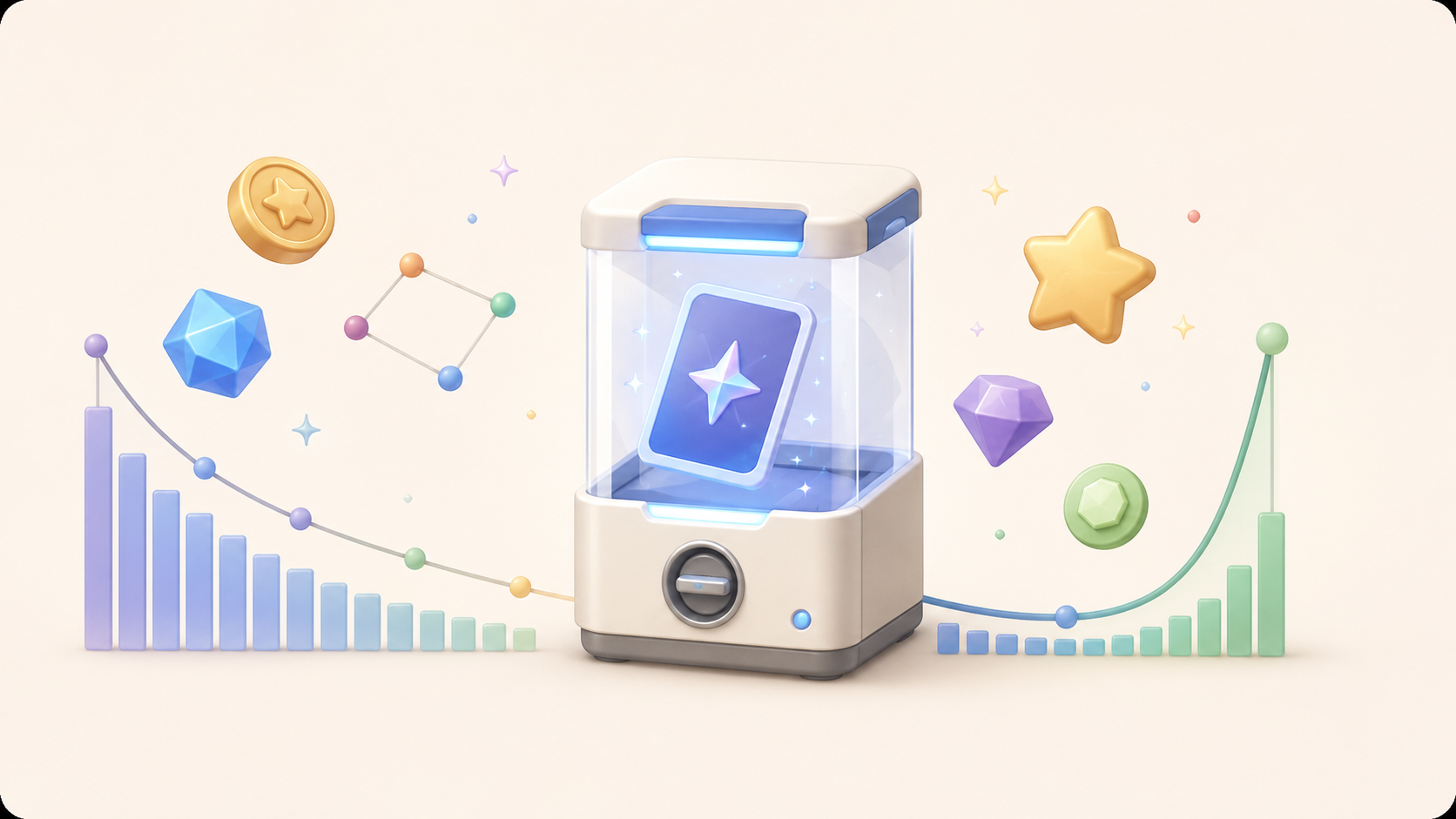
Drop Rates, Pity Systems and Expected Value: The Math Behind Fair Loot
Drop Rates, Pity Systems and Expected Value: The Math Behind Fair Loot
A 1% drop rate does not mean 1 in 100 pulls. How to calculate expected pull cost, design pity systems, and simulate your loot tables before players find the unlucky tail.
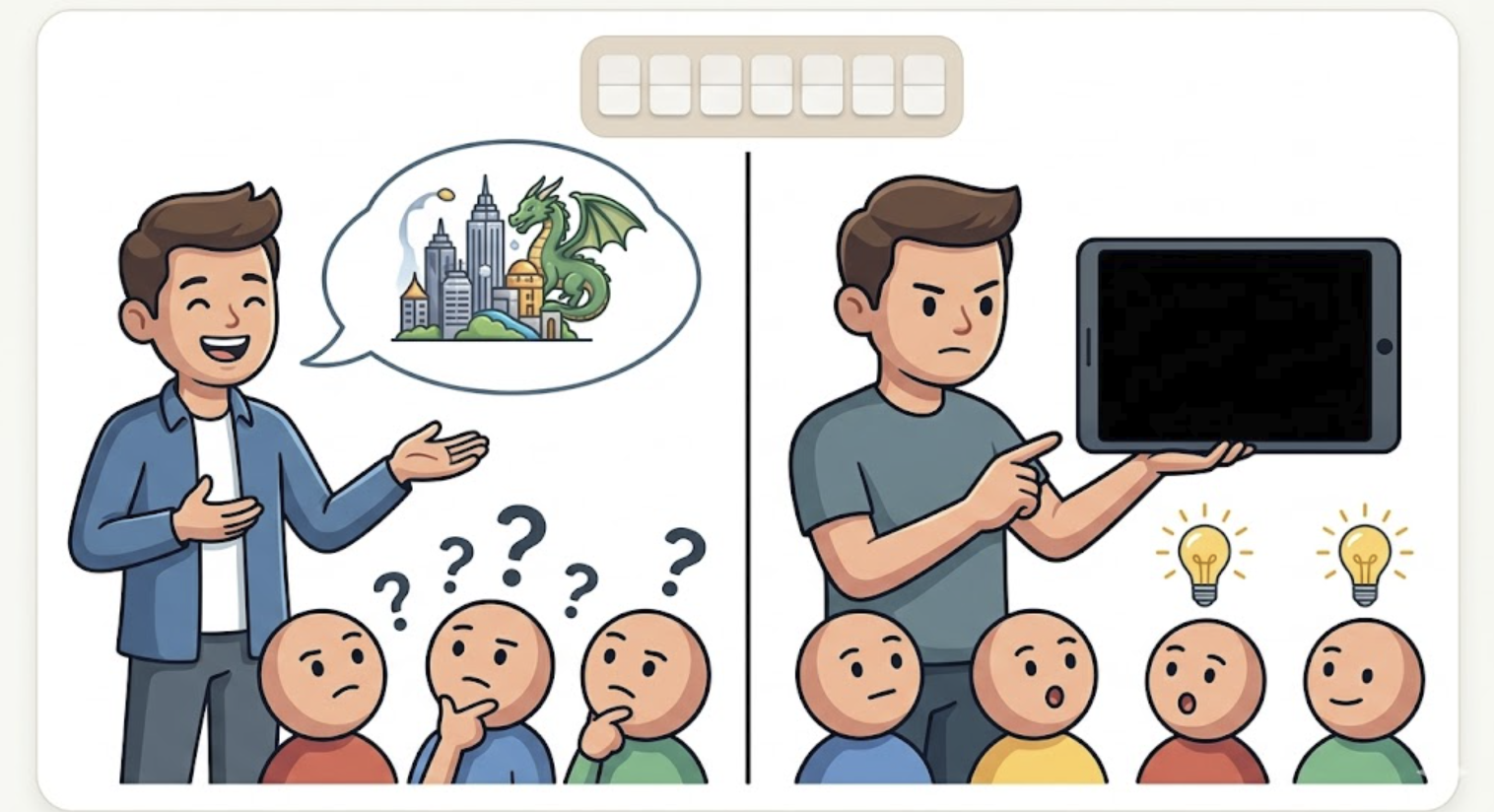
Stop asking if your game idea is good. Ask what you can prove in 7 days.
Stop asking if your game idea is good. Ask what you can prove in 7 days.
Most ideas sound good in your head. The real test is whether a stranger gets the hook, wants to try it, and remembers it after thirty seconds. Before you build for months, prove the one thing that actually kills your risk.
Why the Game Community Manager Role Is Harder Than It Looks
Why the Game Community Manager Role Is Harder Than It Looks
Community managers do more than post updates - they turn player frustration into clear feedback, protect studio trust, and help teams make better decisions.
Best Mobile Games of 2026: An Analysis for Players and Designers
Best Mobile Games of 2026: An Analysis for Players and Designers
A deep look into the top mobile games of 2026. Discover honest picks for players alongside engineering, monetization, and loop deconstructions for developers.
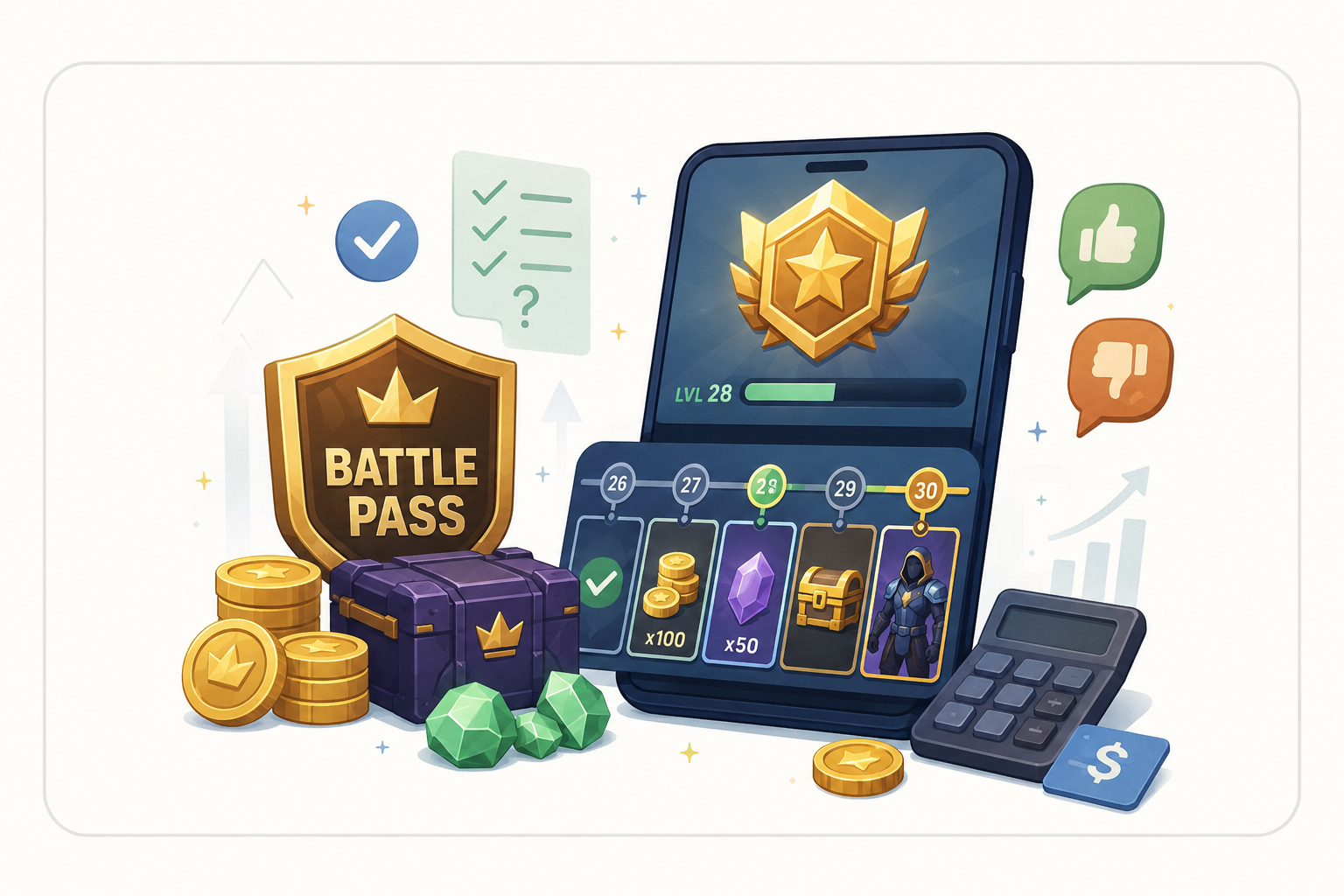
Rewards are the language mobile games use to talk to players. Every coin drop, every chest, every daily login bonus is the game saying: "You did something. Here's what you get." Get that language right and players feel seen, motivated, and loyal. Get it wrong and rewards feel arbitrary, cheap, or manipulative — and players leave.
Game Prototyping Guide: How to Find the Fun Before You Build the Wrong Game
Game Prototyping Guide: How to Find the Fun Before You Build the Wrong Game
Learn how to prototype games faster, validate core mechanics, test player feedback, avoid common mistakes, and use game economy simulations before production.
Game Economy Simulator: Why You Should Simulate Before You Ship
Game Economy Simulator: Why You Should Simulate Before You Ship
Every game designer has shipped something that looked balanced on paper and broke in production. The math checked out. The spreadsheet said players would earn roughly what they spent. Then real players got into the game and the economy fell apart in a way nobody anticipated.