Game Economy Balancing: How to Tune Rewards, Costs, and Progression
Game Economy Balancing: How to Tune Rewards, Costs, and Progression
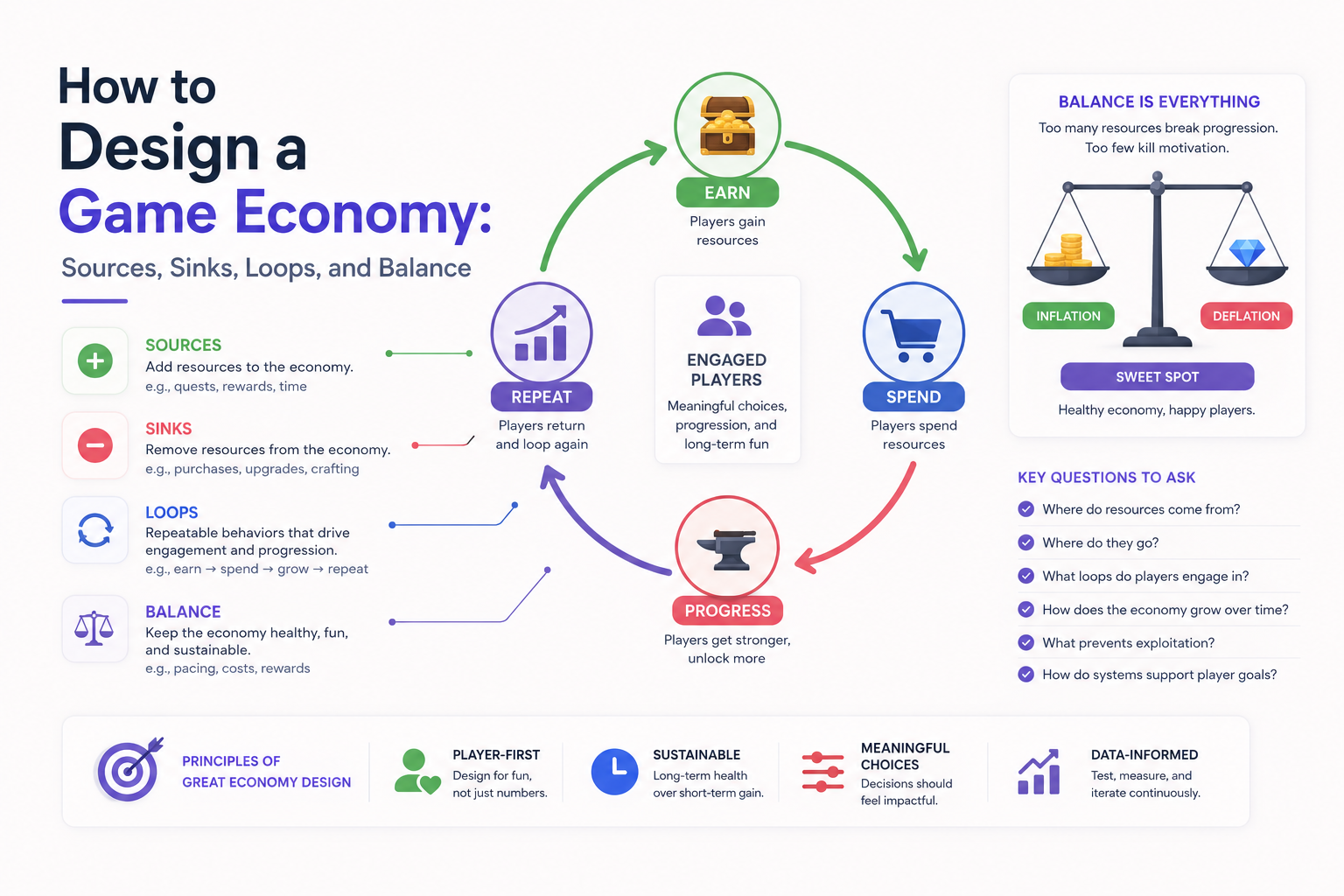
An economy can be well-designed and still badly balanced. The design tells you what the currencies are, what the loops are, how players earn and spend. Balance determines whether any of that feels right in practice.
Game Economy Design for Free-to-Play Games: A Beginner’s Guide
Game Economy Design for Free-to-Play Games: A Beginner’s Guide
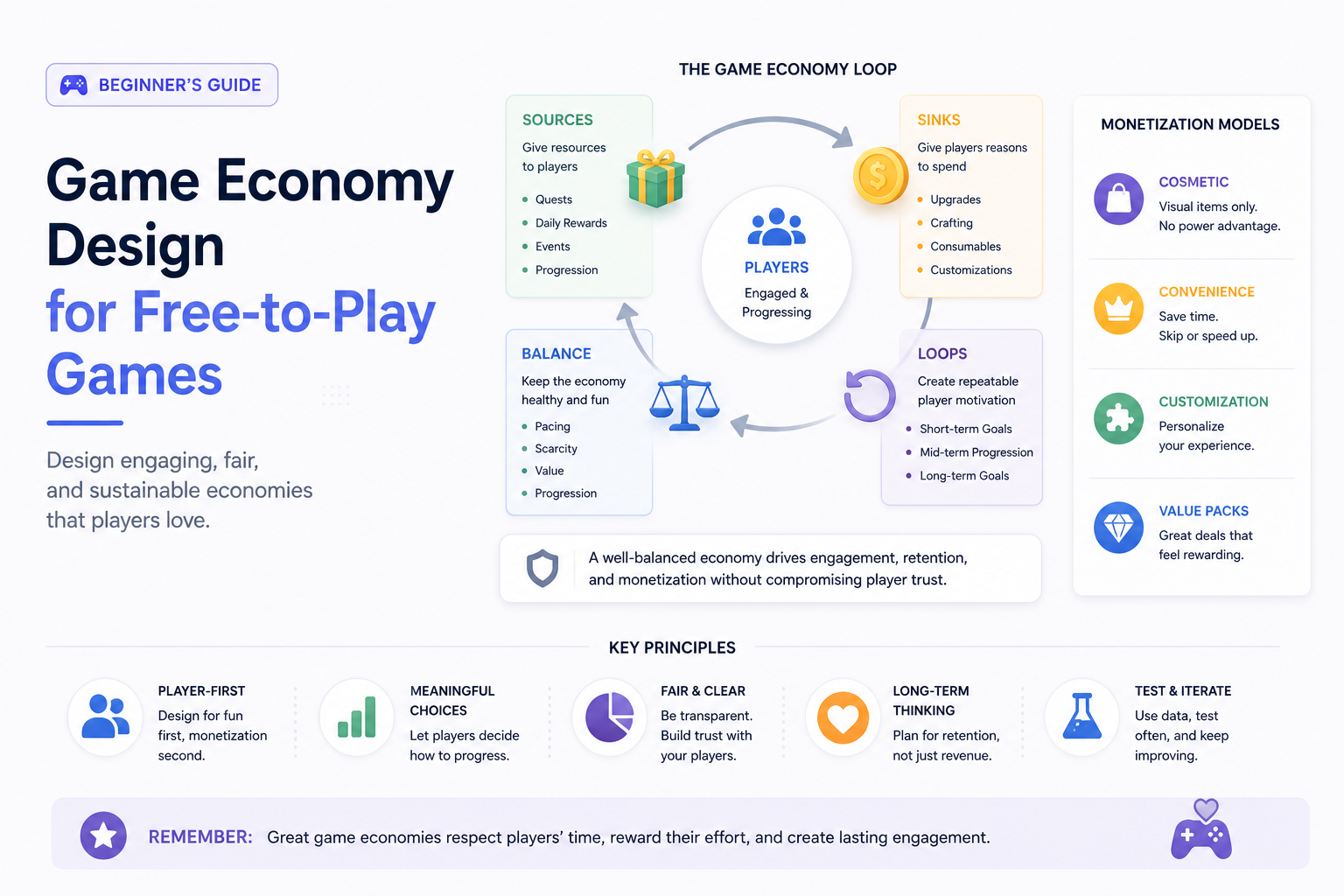
Free-to-play is the dominant business model in mobile games, and it lives or dies on its economy. The game is free to download. Revenue comes from players choosing to spend inside it. That choice — whether a player spends, how much, and how often — is almost entirely determined by how the economy is designed.
The Most Powerful Item Wasn't a Weapon. It Was a Key.
The Most Powerful Item Wasn't a Weapon. It Was a Key.
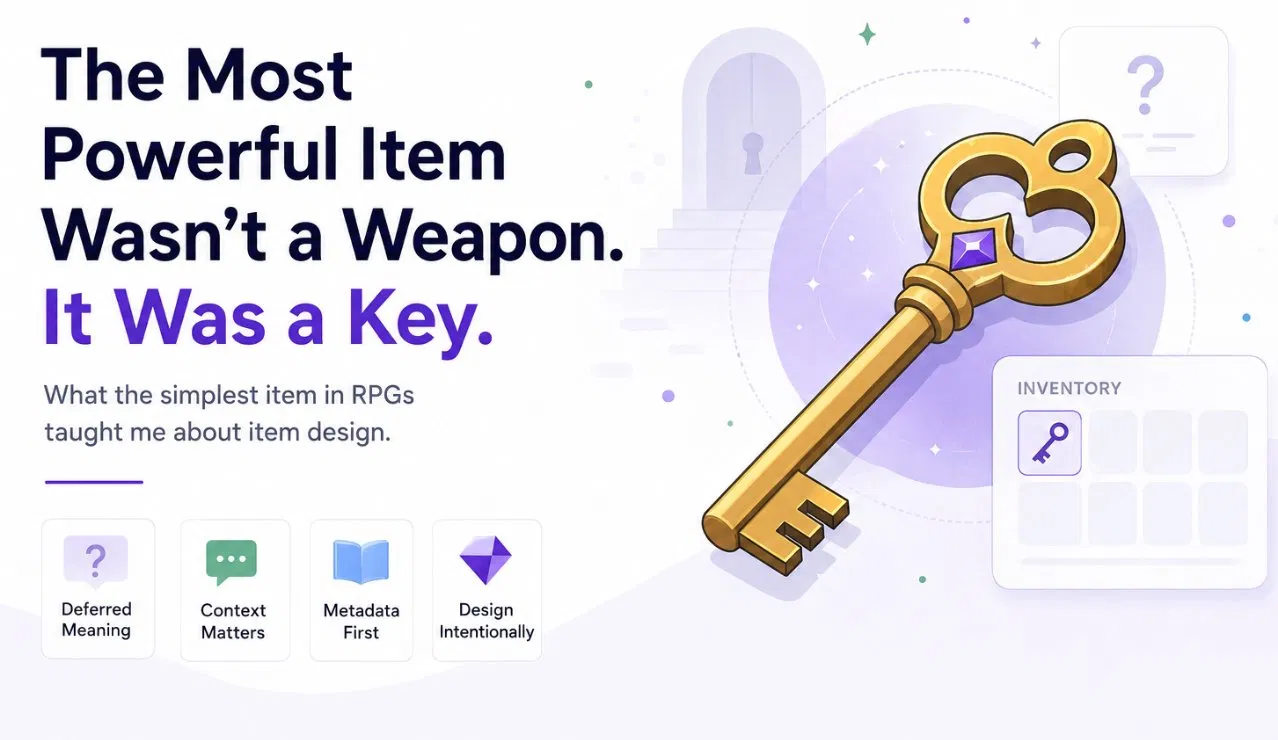
The simplest item in an RPG - a key with no stats, no rarity - kept players hooked for an entire playthrough. Here's the design principle behind why, and how deferred meaning shapes the way players emotionally connect with your items before they ever use them.
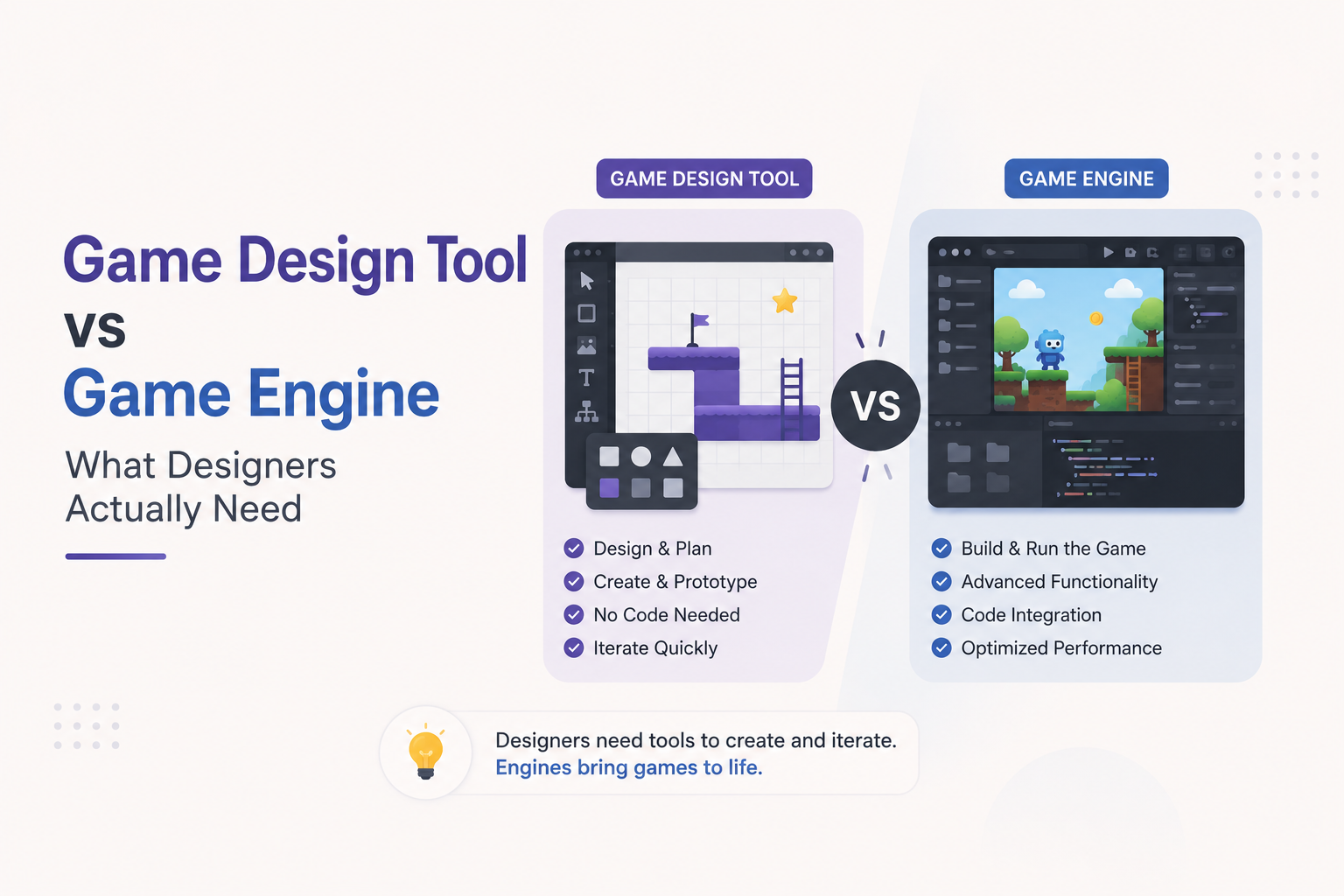
Why Spreadsheets Are Not Enough for Game Economy Design
Why Spreadsheets Are Not Enough for Game Economy Design
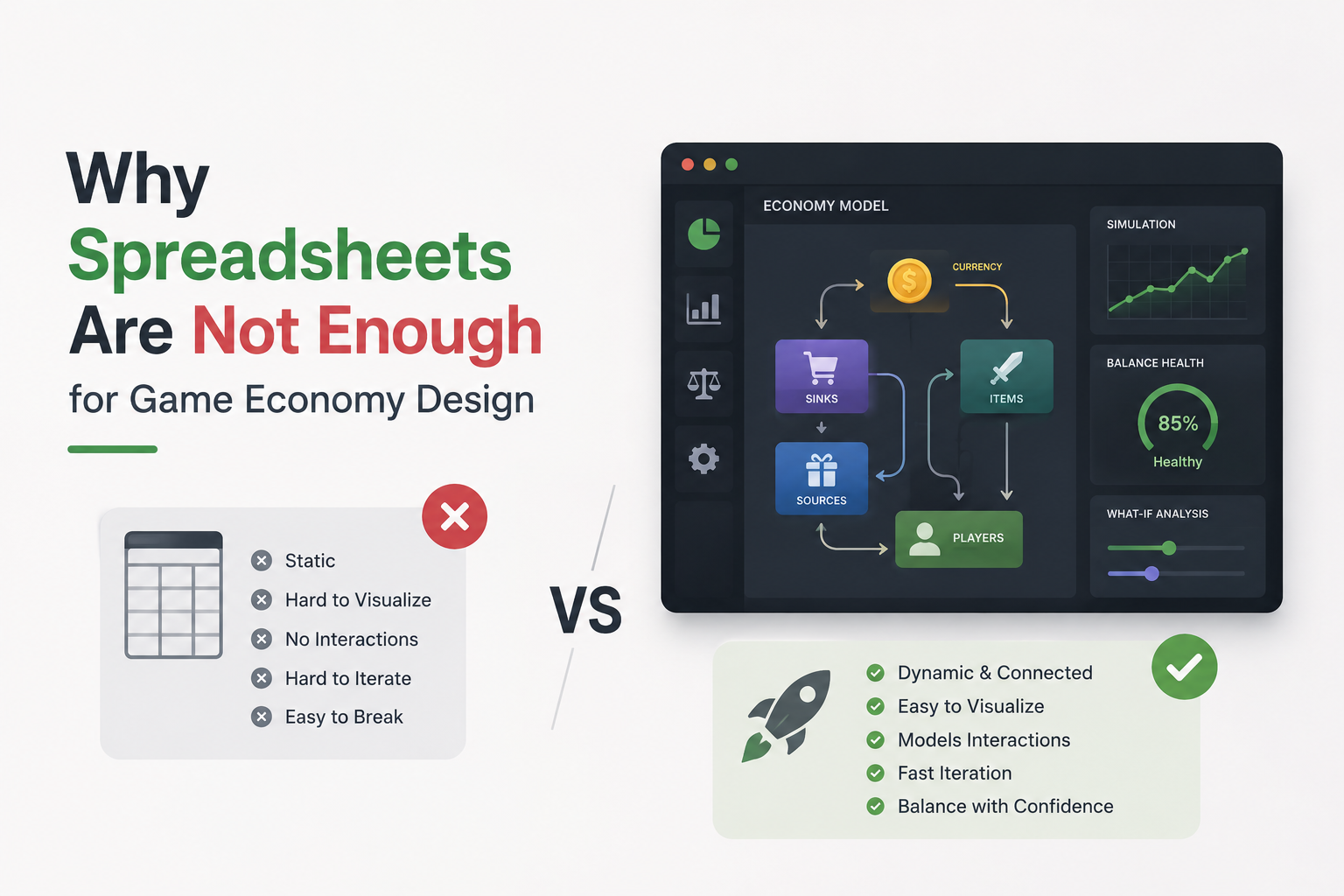
Spreadsheets built game economies before any dedicated tool existed for the job. And honestly — for a long time, they were fine. Simple math, a few currencies, a linear upgrade curve. Sheets handled it.
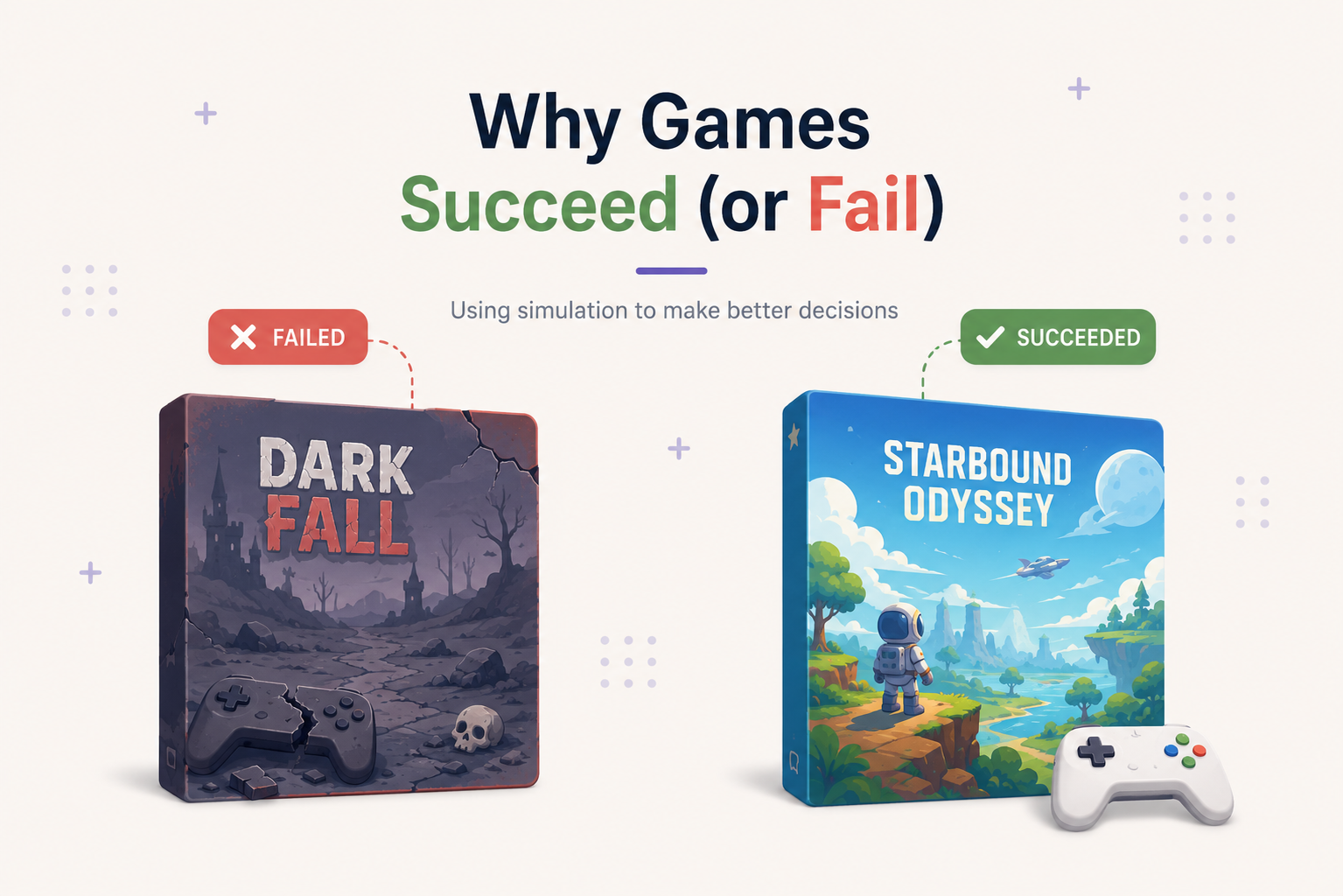
Why Most Game Economies Fail Before a Single Player Logs In
Why Most Game Economies Fail Before a Single Player Logs In
There's a moment every economy designer knows.
You've spent weeks on the numbers. The currencies are named, the progression curve bends the right way, the drop tables add up on paper. You stare at the spreadsheet and it looks... correct. Balanced. Maybe even elegant.